The Journey of Cosmic Time वैदिक काल यात्रा

Scroll through the eternal flow of time. From the blink of an eye to the breath of Maha-Vishnu, experience the profound scaling of the universe as documented in the ancient Puranas. समय के शाश्वत प्रवाह के माध्यम से आगे बढ़ें। पलक झपकने से लेकर महाविष्णु की श्वास तक, प्राचीन पुराणों में प्रलेखित ब्रह्मांडीय समय के गहन विस्तार का अनुभव करें।

ॐ तत् सत्

Sankalp - The Living Cosmic Declaration संकल्प - जीवित ब्रह्मांडीय घोषणा

Before every sacred ceremony - birth, marriage, or death - every Hindu priest chants this declaration, placing the ritual at its precise coordinates in cosmic time and space. These are not mere words; they are a living GPS address for the soul, unchanged for thousands of years. जन्म, विवाह या मृत्यु - किसी भी पवित्र संस्कार से पूर्व, हर ब्राह्मण यह संकल्प पाठ करता है। यह आत्मा का जीवित ब्रह्मांडीय पता है - सहस्राब्दियों से अपरिवर्तित।

The Sankalp Mantra - as chanted by pandits before every puja
ॐ विष्णुः विष्णुः विष्णुः।
श्रीमद्भगवतो महापुरुषस्य विष्णोराज्ञया प्रवर्तमानस्य।
अद्य ब्रह्मणः द्वितीय परार्धे, श्वेतवाराह कल्पे,
वैवस्वत मन्वन्तरे, अष्टाविंशतितमे कलियुगे,
कलिप्रथमे पादे, जम्बूद्वीपे, भारतवर्षे, भारतखण्डे,
गणना हो रही है...
Each underlined phrase is one cosmic coordinate. The final line updates live with today's Samvatsara, Masa, Paksha & Tithi.
① ब्रह्मा का कालखण्ड
द्वितीय परार्धे
Dvitīya Parārdhe
We are in the 2nd half (Parārdha) of Brahma's 100-year life - his 51st year. The first half of creation is behind us, the second half is unfolding. हम ब्रह्मा के 100-वर्षीय जीवन के दूसरे परार्ध में हैं - उनके 51वें वर्ष में। सृष्टि का पहला आधा बीत चुका है।
② वर्तमान कल्प
श्वेतवाराह कल्पे
Śveta Vārāha Kalpe
The White Boar Kalpa - Brahma's current "day", spanning 4.32 billion years. Named for Vishnu's Varaha avatar who rescued Earth from the cosmic deep. श्वेत वराह कल्प - ब्रह्मा का वर्तमान दिन, जो 4.32 अरब वर्षों का है। विष्णु के वराह अवतार पर आधारित नाम, जिन्होंने पृथ्वी को उद्धार किया था।
③ वर्तमान मन्वन्तर
वैवस्वत मन्वन्तरे
Vaivasvata Manvantare
The 7th Manvantara, governed by Vaivasvata Manu - son of Surya, the Sun god. Each Manvantara spans 71 Mahayugas ≈ 308 million years. सातवाँ मन्वन्तर, वैवस्वत मनु द्वारा शासित - सूर्य देव के पुत्र। प्रत्येक मन्वन्तर 71 महायुग अर्थात् लगभग 30.8 करोड़ वर्षों का होता है।
④ वर्तमान युग - आप यहाँ हैं
अष्टाविंशतितमे कलियुगे, कलिप्रथमे पादे
28th Kali Yuga, 1st Quarter
The 28th Kali Yuga in this Manvantara. Began Feb 18, 3102 BC. We are in the first quarter (Prathamah Pādah) - only ~5,128 of 432,000 years have passed. इस मन्वन्तर का 28वाँ कलियुग। 18 फरवरी 3102 ईसा पूर्व से प्रारंभ। हम प्रथम चरण में हैं - 4,32,000 वर्षों में से केवल ~५,१२८ वर्ष ही बीते हैं।
⑤ भौगोलिक स्थान
जम्बूद्वीपे भारतवर्षे भारतखण्डे
Jambūdvīpe Bhārata Varṣe Bhārata Khaṇḍe
In Jambudvipa (the terrestrial realm), in Bharatavarsha (the sub-continent), in the Bharat Khanda (land of India). The physical location of the ritual in cosmic geography. जम्बूद्वीप (पार्थिव खण्ड) में, भारतवर्ष में, भारत खण्ड में। ब्रह्मांडीय भूगोल में अनुष्ठान का भौतिक पता।
⑥ काल - अभी
गणना हो रही है...
Calculating...
Current Samvatsara (60-year name), Masa (month), Paksha (fortnight) & Tithi (lunar day) - the final live coordinates of your Sankalp. वर्तमान संवत्सर, मास, पक्ष और तिथि - आपके संकल्प के अंतिम जीवित निर्देशांक।
Your Complete Cosmic Address - Live आपका पूर्ण ब्रह्मांडीय संकल्प-पता - जीवित
Calculating...
This is the living Sankalp - the precise address a pandit would declare before your ceremony today. यही वह जीवित संकल्प है - वह सटीक पता जो एक पंडित आज आपके संस्कार से पूर्व पाठ करेगा।

The Atomic Realm सूक्ष्म और परमाणु लोक

Fractions of seconds - the smallest building blocks of time. सेकंड के अंश - समय की सबसे छोटी इकाइयाँ।

Kaala (Astronomical arc-second) काल (कोणीय)

66.6667 Milliseconds 66.6667 मिलीसेकंड = 66666.666667 µs = 66666.666667 µs
1/3,600 of 1 degree of zodiac arc traversed per second (angular time unit) - Astronomical angular unit; not a duration but a sidereal arc-second converted to time - placed here for scale context राशि चक्र चाप की 1 डिग्री का 1/3,600 प्रति सेकंड पार किया गया (कोणीय समय इकाई) - खगोलीय कोणीय इकाई; कोई अवधि नहीं, बल्कि समय में परिवर्तित एक नाक्षत्र चाप-सेकंड - पैमाने के संदर्भ के लिए यहां रखा गया है

Paramanu परमाणु

26.3374 Microseconds 26.3374 माइक्रोसेकंड = 26.34 µs = 26.34 µs
½ Anu (smallest indivisible time) - Smallest perceptible moment; ~1 photonic oscillation ½ अणु (सबसे छोटी अविभाज्य समय इकाई) - सबसे छोटा संकल्पनात्मक क्षण; लगभग १ फोटोनिक दोलन

Anu अणु

52.6749 Microseconds 52.6749 माइक्रोसेकंड = 52.67 µs = 52.67 µs
2 Paramanu - Two-paramanu composite २ परमाणु - दो-परमाणु संयोजन

Trasarenu त्रसरेणु

158.025 Microseconds 158.025 माइक्रोसेकंड = 158.02 µs = 158.02 µs
6 Paramanu / 3 Anu - Mote of dust in sunlight ६ परमाणु / ३ अणु - सूर्य के प्रकाश में धूल का कण

Truti त्रुटि

474.074 Microseconds 474.074 माइक्रोसेकंड = 474.07 µs = 474.07 µs
3 Trasarenu - Also 100/33.75 sec in some texts ३ त्रसरेणु - कुछ पाठों में 100/33.75 सेकंड भी
Civil Unit • Arthashastraनागरिक इकाई • अर्थशास्त्र

Tatpara (Arthashastra practical unit) तत्पर

10 Milliseconds 10 मिलीसेकेंड = 10 ms = 10 एमएस
1/100 of a second - smallest practical civil time unit (Arthashastra 2.20) - Arthashastra 2.20 (Kautilya, ~300 BCE) - practical civil time used in courts and markets; ~10 ms; bridges Truti and Vedha scales एक सेकंड का 1/100 - सबसे छोटी व्यावहारिक नागरिक समय इकाई (अर्थशास्त्र 2.20) - अर्थशास्त्र 2.20 (कौटिल्य, ~300 ईसा पूर्व) - अदालतों और बाजारों में उपयोग किया जाने वाला व्यावहारिक नागरिक समय; ~10 ms; ब्रिज त्रुति और वेधा स्केल

Vedha वेध

47.4074 Milliseconds 47.4074 मिलीसेकंड = 47.41 ms = 47.41 एमएस
100 Truti १०० त्रुटि

Lava लव

142.222 Milliseconds 142.222 मिलीसेकंड = 142.22 ms = 142.22 एमएस
3 Vedha - Part of SBP/Bhagavata micro-time chain ३ वेध - एसबीपी/भागवत सूक्ष्म-समय श्रृंखला का हिस्सा
Astronomical Unit • Surya Siddhantaखगोलीय इकाई • सूर्य सिद्धांत

Vinadi / Truti (Surya Siddhanta) विनाडी / त्रुटि (सौर)

400 Milliseconds 400 मिलीसेकेंड = 0.4 sec = 0.4 सेकंड
1/6 of a Prana (Surya Siddhanta 1.11); 60 Vinadis = 1 Nadika/Ghati - Surya Siddhanta names this unit 'Truti' - distinct from Bhagavata Truti (0.000474 s); naming overlap across text traditions is documented प्राण का 1/6 (सूर्य सिद्धांत 1.11); 60 विनादि = 1 नादिका/घटी - सूर्य सिद्धांत ने इस इकाई को 'त्रुति' नाम दिया है - जो भागवत त्रुति (0.000474 s) से भिन्न है; पाठ परंपराओं में नामकरण ओवरलैप को प्रलेखित किया गया है

Nimesha (Nimesa) निमेष

426.667 Milliseconds 426.667 मिलीसेकंड = 426.67 ms = 426.67 एमएस
3 Lava - 1 eye-blink; ~400–500 ms in modern physiology ३ लव - १ पलक झपकना; आधुनिक शरीर विज्ञान में ~४००-५०० मिलीसेकंड

Kshana क्षण

1.28 Seconds 1.28 सेकंड = 1280 ms = 1280 एमएस
3 Nimesha - Now colloquially = any brief moment ३ निमेष - अब बोलचाल में = कोई भी संक्षिप्त क्षण
Astronomical Unit • Surya Siddhantaखगोलीय इकाई • सूर्य सिद्धांत

Prana (breath-unit, astronomical) प्राण

4 Seconds 4 सेकंड = 4 sec = 4 सेकंड
1 breath cycle = 6 Vinadis (Surya Siddhanta 1.11) - Surya Siddhanta tradition - breath-based time; 1 Prana = time of one normal breath; differs from Bhagavata Kashtha 1 श्वास चक्र = 6 विनादि (सूर्य सिद्धांत 1.11) - सूर्य सिद्धांत परंपरा - श्वास-आधारित समय; 1 प्राण = एक सामान्य श्वास का समय; भागवत काष्ठ से भिन्न है

Kashtha काष्ठा

6.4 Seconds 6.4 सेकंड = 6.4 sec = 6.4 सेकंड
5 Kshana ५ क्षण
Civil Unit • Arthashastraनागरिक इकाई • अर्थशास्त्र

Trota त्रोट

29.6296 Seconds 29.6296 सेकंड = 29.63 sec = 29.63 सेकंड
33.75 Truti (alternate tradition from Arthashastra 2.20) - Arthashastra 2.20 alternate reckoning: 33.75 Truti; Mauryan-era statecraft used different unit ratios than the Puranic cosmological chain 33.75 त्रुति (अर्थशास्त्र 2.20 से वैकल्पिक परंपरा) - अर्थशास्त्र 2.20 वैकल्पिक गणना: 33.75 त्रुति; मौर्य-युग के राज्य शिल्प में पौराणिक ब्रह्माण्ड संबंधी श्रृंखला की तुलना में भिन्न इकाई अनुपात का उपयोग किया गया था

Laghu लघु

1.6 Minutes 1.6 मिनट = 1.6 min = 1.6 मिनट
15 Kashtha १५ काष्ठा

Nadika / Ghati नाडिका / घटी

24 Minutes 24 मिनट = 24 min = 24 मिनट
15 Laghu = 24 min - 1 Ghati = water volume in 6 palas; Arthashastra 2.20 १५ लघु = २४ मिनट - 1 घटी = 6 पलों में जल की मात्रा; अर्थशास्त्र 2.20

Muhurta मुहूर्त

48 Minutes 48 मिनट = 48 min = 48 मिनट
2 Nadika = 48 min - 30 per day; auspicious time selection in Jyotisha २ नाड़ीका = ४८ मिनट - 30 प्रति दिन; ज्योतिष में शुभ समय का चयन

Prahara / Yama प्रहर / याम

3 Hours 3 घंटे = 180 min = 180 मिनट
7.5 Nadika = 3 hr - 8 per day; used in Vedic daily schedule 7.5 नादिका = 3 घंटा - प्रति दिन 8; वैदिक दैनिक कार्यक्रम में उपयोग किया जाता है

Raat (night-time period) रात / रात्रि

12 Hours 12 घंटे = 12 hr = 12 घंटा
12 hours of night = half of Ahoratra - Paired with Dina (day); together = Ahoratra; Ratri Sukta (RV 10.127) is hymn to night रात्रि के 12 घंटे = अहोरात्र का आधा भाग - दीना (दिन) के साथ जोड़ी बनाई गई; एक साथ = अहोरात्र; रात्रि सूक्त (आर.वी. 10.127) रात्रि का स्तोत्र है

Dina (day-time period) दिन

12 Hours 12 घंटे = 12 hr = 12 घंटा
12 hours of daylight = half of Ahoratra - Used in daily Sandhya rituals (Pratah/Madhyanha/Sayam); basis of daytime Panchanga दिन के 12 घंटे = अहोरात्र का आधा भाग - दैनिक संध्या अनुष्ठानों (प्रातः/मध्याह्न/संयम) में उपयोग किया जाता है; दिन के पंचांग का आधार

Karana (half-Tithi) करण

12 Hours 12 घंटे = 12 hr = 12 घंटा
Half of a Tithi - 4th Panchanga element; 11 Karanas in a lunar cycle - 4th of 5 Panchanga limbs; 11 types: 4 fixed (Sthira: Shakuni, Chatushpada, Nagava, Kimstughna) + 7 movable (Chara: Bava, Balava, Kaulava, Taitila, Gara, Vanija, Vishti) तिथि का आधा भाग - चौथा पंचांग तत्व; चंद्र चक्र में 11 करण - 5 पंचांग अंगों में से चौथा; 11 प्रकार: 4 स्थिर (स्थिर: शकुनि, चतुष्पाद, नागव, किम्स्तुघ्न) + 7 चल (चर: बव, बलव, कौलव, तैतिला, गर, वणिज, विष्टि)

Yoga (Sun+Moon combined arc) योग (ज्योतिष)

23.14 Hours 23.14 घंटे = 23.14 hr = 23.14 घंटा
1/27 of synodic month - when Sun+Moon longitudes sum to multiple of 13°20' - 3rd Panchanga limb; 27 auspicious/inauspicious categories (Vishkambha to Vaidhriti); differs entirely from the philosophical 'yoga' of Patanjali सिनोडिक महीने का 1/27 - जब सूर्य+चंद्र देशांतर का योग 13°20' के गुणज में होता है - तीसरा पंचांग अंग; 27 शुभ/अशुभ श्रेणियां (विष्कम्भ से वैधृति तक); पतंजलि के दार्शनिक 'योग' से पूरी तरह भिन्न है

Tithi (lunar day) तिथि

23.62 Hours 23.62 घंटे = 23.62 hr = 23.62 घंटा
1/30 of synodic month - 12° of Moon's elongation from Sun - 2nd Panchanga limb; 30 Tithis per lunar month (15 Shukla + 15 Krishna); named: Pratipada through Purnima/Amavasya; shorter than solar day by ~23 min सिनोडिक महीने का 1/30 - सूर्य से चंद्रमा की लम्बाई का 12° - दूसरा पंचांग अंग; प्रति चंद्र माह में 30 तिथियाँ (15 शुक्ल + 15 कृष्ण); नाम: प्रतिपदा से पूर्णिमा/अमावस्या तक; सौर दिवस से ~23 मिनट कम

Nakshatra day (Moon in 1 of 27 mansions) नक्षत्र काल

1.01 Days 1.01 दिन = 24.28 hr = 24.28 घंटा
Moon transiting 1 of 27 Nakshatras; sidereal day of Moon - Moon transits one of 27 Nakshatras (Ashvini to Revati); used for Janma Nakshatra in birth charts, marriage compatibility (Ashtakuta), and festival timing चंद्रमा 27 नक्षत्रों में से 1 में गोचर कर रहा है; चंद्रमा का नक्षत्र दिवस - चंद्रमा 27 नक्षत्रों में से एक (अश्विनी से रेवती) में गोचर करता है; जन्म कुंडली में जन्म नक्षत्र, विवाह अनुकूलता (अष्टकुट), और त्योहार के समय के लिए उपयोग किया जाता है

Ahoratra (Divasa & Ratri) अहोरात्र

1 Day 1 दिन = 1440 min = 1440 मिनट
8 Prahara or 30 Muhurta = 1 full day and night - 1 full sidereal day; includes both Dina (day) + Raat (night) 8 प्रहर या 30 मुहूर्त = 1 पूर्ण दिन और रात - 1 पूर्ण नाक्षत्र दिवस; इसमें दीना (दिन) + रात (रात) दोनों शामिल हैं

Saptaha (week of 7 days) सप्ताह

7 Days 7 दिन = 7 days = 7 दिन
7 Ahoratras - named after 7 grahas (planets) - 7-day week named for 7 Grahas: Ravi (Sun), Soma (Moon), Mangala (Mars), Budha (Mercury), Guru (Jupiter), Shukra (Venus), Shani (Saturn); 5th Panchanga limb = Vara (weekday) 7 अहोरात्र - 7 ग्रहो के नाम पर - 7 दिवसीय सप्ताह का नाम 7 ग्रहों के नाम पर रखा गया है: रवि (सूर्य), सोम (चंद्रमा), मंगला (मंगल), बुद्ध (बुध), गुरु (बृहस्पति), शुक्र (शुक्र), शनि (शनि); 5वाँ पंचांग अंग = वर (सप्ताह का दिन)

The Human Realm मानव और ग्रहीय लोक

Our daily experience from hours to planetary years. घंटों से लेकर ग्रहीय वर्षों तक हमारा दैनिक अनुभव।

Paksha (fortnight) पक्ष

15 Days 15 दिन = 15 days = 15 दिन
15 days - Shukla Paksha + Krishna Paksha = 1 Masa १५ दिन - शुक्ल पक्ष + कृष्ण पक्ष = १ मास

Masa (lunar month) मास

1 Month 1 महीना = 30 days = 30 दिन
2 Paksha - Lunar month; basis of Hindu calendar २ पक्ष - चंद्र मास; हिंदू पंचांग का आधार

Adhik Masa अधिक मास

1 Month 1 महीना = 30 days = 30 दिन
Intercalary month added ~every 32.5 months - Also called Purushottama Masa or Mal Masa प्रत्येक 32.5 माह में अंतर्वर्ती माह जोड़ा जाता है - इसे पुरूषोत्तम मास या मल मास भी कहा जाता है

Ritu (season) ऋतु

2 Months 2 महीने = 60 days = 60 दिन
2 Masa - Vasanta, Grishma, Varsha, Sharad, Hemanta, Shishira २ मास - वसंता, ग्रीष्मा, वर्षा, शरद, हेमन्त, शिशिरा

Ayana (half-year) अयन

6 Months 6 महीने = 180 days = 180 दिन
3 Ritu - 6-month half; basis of equinox calculations ३ ऋतु - 6 महीने का आधा; विषुव गणना का आधार

Hindu / Vedic Year वर्ष

1 Vedic Year 1 वैदिक वर्ष = 360 days = 360 दिन
2 Ayana = 360 tithis - Differs from tropical year; Adhik Masa used for correction २ अयन = ३६० तिथियाँ - उष्णकटिबंधीय वर्ष से भिन्न; सुधार के लिए अधिक मास

Solar / Tropical Year सौर वर्ष

1 Year 1 वर्ष = 365.25 days = 365.25 दिन
365.25 days (Julian) - Used in Jyotisha; 365.258756… days in Surya Siddhanta 365.25 दिन (जूलियन) - ज्योतिष में प्रयुक्त; 365.258756... सूर्य सिद्धांत में दिन

Sidereal Year नक्षत्र वर्ष

1.00 Years 1.00 वर्ष = 365.25636 days = 365.25636 दिन
365.25636 days - Star-relative year; basis of Nakshatra cycle and precession calculations; 365.25636 days vs tropical year's 365.2422 days - difference = ~20 min/year (precession of equinoxes) 365.25636 दिन - तारा-सापेक्ष वर्ष; नक्षत्र चक्र और पूर्वता गणना का आधार; 365.25636 दिन बनाम उष्णकटिबंधीय वर्ष के 365.2422 दिन - अंतर = ~20 मिनट/वर्ष (विषुव की पूर्वता)

Yuga Cycle correction (Adhimasa Cycle) अधिमास चक्र

975 Days 975 दिन = 975 days = 975 दिन
~32.5 months - Luni-solar intercalation cycle: ~32.5 months between each Adhik Masa insertion; corrects the ~11-day annual drift between lunar and solar calendars ~३२.५ महीने - चंद्र-सौर अंतर्वेशन चक्र जो चंद्र व सौर वर्ष का ११ दिन का अंतर मिटाता है

Kali Ahargana (Day count from Kali start) कलि अहर्गण

~1,872,947 Days ~18,72,947 दिन = ~5,127 Years = ~५,१२७ वर्ष
Days since Kali Yuga start (Feb 18, 3102 BC → ~2025 AD) - Running day-count from Kali Yuga epoch (Feb 18, 3102 BC midnight); used in astronomical almanacs to calculate planetary positions without calendar ambiguity कलियुग प्रारंभ होने के दिन (फरवरी 18, 3102 ईसा पूर्व → ~2025 ईस्वी) - कलियुग युग से चल रही दिन-गणना (फरवरी 18, 3102 ईसा पूर्व मध्यरात्रि); कैलेंडर अस्पष्टता के बिना ग्रहों की स्थिति की गणना करने के लिए खगोलीय पंचांग में उपयोग किया जाता है

Samvatsara (Jupiter year) संवत्सर

11.86 Years 11.86 वर्ष = 11.86 yrs = 11.86 वर्ष
~11.862 solar years - 60 Samvatsaras form one full Jupiter cycle × 5; each named (Prabhava through Akshaya); year name repeats every 60 years; used in South Indian Panchanga ~11.862 सौर वर्ष - 60 संवत्सर एक पूर्ण बृहस्पति चक्र बनाते हैं × 5; प्रत्येक का नाम (अक्षय के माध्यम से प्रभाव); वर्ष का नाम हर 60 वर्ष में दोहराया जाता है; दक्षिण भारतीय पंचांग में उपयोग किया जाता है

Ancestors & Gods पितर और देव लोक

Higher dimensions where time moves remarkably slower. उच्च आयाम जहां समय उल्लेखनीय रूप से धीमा चलता है।

1 Pitr Day and Night पितृ दिवस

30 Earth Days 30 पृथ्वी दिवस = 0.08333 Human Years = 0.08333 मानव वर्ष
1 Earth Masa - 1 human month (Masa) = 1 day for Pitrs; basis of Shraddha (ancestor rites) timing; Pitrs dwell in Chandraloka (lunar realm) (The Pitrs reside in Chandraloka - the lunar sphere. A single 29.5-day moon phase cycle equals exactly one day for them, which strictly dictates the timing of all traditional ancestor rites [Shraddha].) १ पृथ्वी मास - 1 मानव मास (मास) = पितरों के लिए 1 दिन; श्राद्ध (पूर्वज संस्कार) समय का आधार; पितर चंद्रलोक में रहते हैं (पितर चंद्रलोक में रहते हैं - चंद्र क्षेत्र। एक 29.5-दिवसीय चंद्र चरण चक्र उनके लिए ठीक एक दिन के बराबर होता है, जो सभी पारंपरिक पूर्वज संस्कारों [श्रद्धा] के समय को सख्ती से निर्धारित करता है।)

1 Pitr Month पितृ मास

900 Earth Days 900 पृथ्वी दिवस = 2.5 Human Years = 2.5 मानव वर्ष
30 Pitr Days - 30 Pitr Days = 1 Pitr Month; Shraddha rituals span one Pitr day (= 1 human month); Pitraloka is a celestial realm, not physical (The Pitrs reside in Chandraloka - the lunar sphere. A single 29.5-day moon phase cycle equals exactly one day for them, which strictly dictates the timing of all traditional ancestor rites [Shraddha].) ३० पितृ दिन - 30 पितृ दिन = 1 पितृ मास; श्राद्ध अनुष्ठान एक पितृ दिवस (= 1 मानव माह) तक चलता है; पितृलोक एक दिव्य क्षेत्र है, भौतिक नहीं (पितर चंद्रलोक में रहते हैं - चंद्र क्षेत्र। एक 29.5-दिवसीय चंद्र चरण चक्र उनके लिए ठीक एक दिन के बराबर होता है, जो सभी पारंपरिक पूर्वज संस्कारों [श्राद्ध] के समय को सख्ती से निर्धारित करता है।)

1 Pitr Year पितृ वर्ष

10,800 Earth Days 10,800 पृथ्वी दिवस = 30 Human Years = 30 मानव वर्ष
12 Pitr Months - 12 Pitr Months; 1 Pitr Year = 30 human years; Manusmriti 1.72 confirms this ratio; Pitrs experience time at 1/360 the rate of Devas १२ पितृ महीने - 12 पितृ मास; 1 पितृ वर्ष = 30 मानव वर्ष; मनुस्मृति 1.72 इस अनुपात की पुष्टि करता है; पितरों को देवों की तुलना में 1/360 दर पर समय का अनुभव होता है

Life of Pitr (100 Pitr Years) पितृ आयु

1.08 Million Earth Days 1.08 मिलियन पृथ्वी दिवस = 3,000 Human Years = 3,000 मानव वर्ष
100 Pitr Years - Life of Pitrs = 3,000 human years; after which they take rebirth or attain higher realms; Shraddha rites nourish Pitrs throughout this span १०० पितृ वर्ष - पितरों की आयु = 3,000 मानव वर्ष; जिसके बाद वे पुनर्जन्म लेते हैं या उच्च लोकों को प्राप्त करते हैं; इस अवधि में श्राद्ध कर्म से पितरों का पोषण होता है

1 Deva Day and Night देव दिवस

360 Earth Days 360 पृथ्वी दिवस = 1 Human Year = 1 मानव वर्ष
1 Hindu Year - Gods: 1 day = 1 human year (Scientifically connecting mythology to Earth's axial tilt: Six months of the Sun's northern path [Uttarayana] form their daytime, and six months of the southern path [Dakshinayana] form their night.) 1 हिंदू वर्ष - देवता: 1 दिन = 1 मानव वर्ष (वैज्ञानिक रूप से पौराणिक कथाओं को पृथ्वी के अक्षीय झुकाव से जोड़ते हुए: सूर्य के उत्तरी पथ [उत्तरायण] के छह महीने उनकी दिन बनाते हैं, और दक्षिणी पथ [दक्षिणायन] के छह महीने उनकी रात बनाते हैं।)

1 Deva Month देव मास

10,800 Earth Days 10,800 पृथ्वी दिवस = 30 Human Years = 30 मानव वर्ष
30 Deva Days - = 30 human years ३० देव दिन - = 30 मानव वर्ष

1 Deva Year देव वर्ष

129,600 Earth Days 129,600 पृथ्वी दिवस = 360 Human Years = 360 मानव वर्ष
12 Deva Months - = 360 human years १२ देव महीने - = 360 मानव वर्ष

Life of Deva 100 Deva Yrs देव आयु

12.96 Million Earth Days 12.96 मिलियन पृथ्वी दिवस = 36,000 Human Years = 36,000 मानव वर्ष
100 Deva Years - = 36,000 human years १०० देव वर्ष - = 36,000 मानव वर्ष

1 Deva Muhurta देव मुहूर्त

4,320 Earth Days 4,320 पृथ्वी दिवस = 12 Human Years = 12 मानव वर्ष
Deva Year divided by 30 - = 12 human years per Deva Muhurta; derived from Deva Year ÷ 30; used to contextualise Deva-scale devotional periods देव वर्ष को ३० से विभाजित करना - = प्रति देवमुहूर्त 12 मानव वर्ष; देव वर्ष ÷ 30 से व्युत्पन्न; देव-स्तरीय भक्ति काल को प्रासंगिक बनाने के लिए उपयोग किया जाता है

1 Deva Prahara देव प्रहर

16,200 Earth Days 16,200 पृथ्वी दिवस = 45 Human Years = 45 मानव वर्ष
Deva Year divided by 8 - = 45 human years per Deva Prahara; Deva Year ÷ 8; one Deva watch period spans an entire human lifetime देव वर्ष को ८ से विभाजित करना - = प्रति देव प्रहार 45 मानव वर्ष; देव वर्ष ÷ 8; एक देवा घड़ी अवधि पूरे मानव जीवनकाल तक फैली हुई है

The Ages of Mankind मानव जाति के युग

The cyclical rising and falling of civilization (Yugas). सभ्यता का चक्रीय उदय और पतन (युग)।

1 Charan (= 1/4 Kali Yuga Deva Yrs) चरण

1,200 Deva Years 1,200 देव वर्ष = 432,000 Human Years = 432,000 मानव वर्ष
1 1

Satya Yuga (Krita Yuga) सत्ययुग (कृतयुग)

4,800 Deva Years 4,800 देव वर्ष = 1.728 Million Human Years = 1.728 मिलियन मानव वर्ष
4 - SBP 3.11.18; VP 1.3; Manu 1.69 - Golden Age; also called Krita Yuga 4 - एसबीपी 3.11.18; वीपी 1.3; मनु 1.69 - स्वर्ण युग; इसे कृतयुग भी कहा जाता है

Treta Yuga त्रेतायुग

3,600 Deva Years 3,600 देव वर्ष = 1.296 Million Human Years = 1.296 मिलियन मानव वर्ष
3 - SBP 3.11.19; Manu 1.70 - Silver Age; fire rites begin 3 - एसबीपी 3.11.19; मनु 1.70 - रजत युग; अग्नि संस्कार प्रारंभ

Dvapara Yuga द्वापरयुग

2,400 Deva Years 2,400 देव वर्ष = 864,000 Human Years = 864,000 मानव वर्ष
2 - SBP 3.11.19; Manu 1.71 - Copper Age; Vedas split by Vyasa 2 - एसबीपी 3.11.19; मनु 1.71 - ताम्र युग; व्यास द्वारा वेदों का विभाजन |
⬤ You Are Here⬤ आप यहाँ हैं

Kali Yuga कलियुग

1,200 Deva Years 1,200 देव वर्ष = 432,000 Human Years = 432,000 मानव वर्ष
1 - SBP 3.11.19; Manu 1.72 - Iron Age; began Feb 18 3102 BC 1 - एसबीपी 3.11.19; मनु 1.72 - लौह युग; 18 फरवरी 3102 ईसा पूर्व शुरू हुआ
Kali Yuga Progress कलियुग की प्रगति 1.1876%
5,128 / 432,000 years elapsed

1 Mahayuga (Chaturyuga) 1 महायुग (चतुर्युग)
12,000 Deva Years 12,000 देव वर्ष = 4.32 Million Human Years = 4.32 मिलियन मानव वर्ष
10 - SBP 3.11.20; sum of all four Yugas; 4,320,000 human years 10 - एसबीपी 3.11.20; चारों युगों का योग; 4,320,000 मानव वर्ष
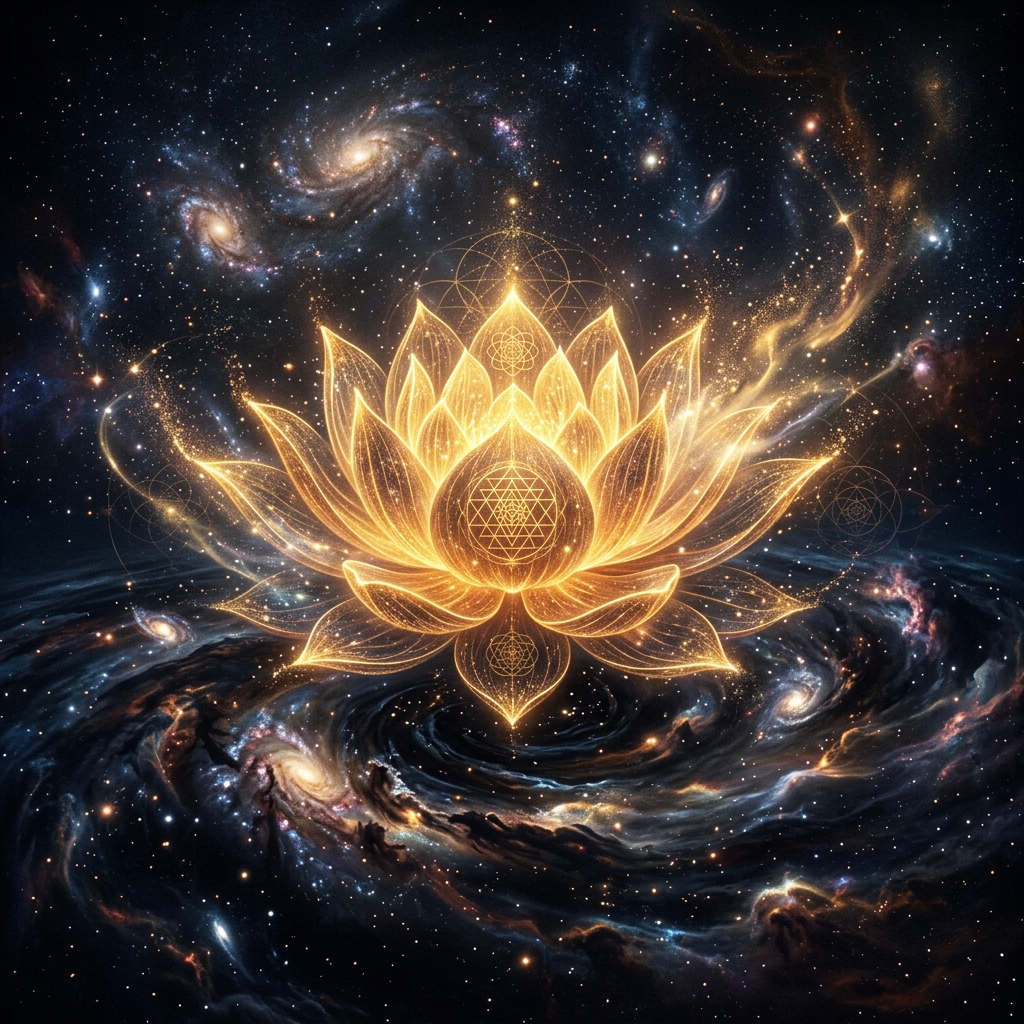
Brahma on Lotus - Cosmic Creation

The Epochs of Creation सृष्टि के महायुग (ब्रह्मा का समय)

The unimaginable spans of cosmic creation and dissolution. ब्रह्मांडीय निर्माण और विघटन की अकल्पनीय अवधि।

1 Sandhya / Samdhikala (Manvantara joint) संधि काल

4,800 Deva Years 4,800 देव वर्ष = 1.728 Million Human Years = 1.728 मिलियन मानव वर्ष
4 Charans = 1 Satya Yuga period of transition - Transitional twilight between Manvantaras; Earth submerged in water ४ चरण = १ सत्य युग संक्रमण काल - मन्वंतरों के बीच संक्रमणकालीन गोधूलि; पृथ्वी जलमग्न

1 Manvantara (Manu Period) मन्वन्तर

852,000 Deva Years 852,000 देव वर्ष = 306.72 Million Human Years = 306.72 मिलियन मानव वर्ष
71 Mahayugas - 14 Manus per Kalpa; each has own Indra, Saptarishi, Manu; present: 7th (Vaivasvata) ७१ महायुग - प्रति कल्प १४ मनु; वर्तमान: ७वां (वैवस्वत)

1 Full Manu Period (with Sandhya) पूर्ण मन्वन्तर

856,800 Deva Years 856,800 देव वर्ष = 308.448 Million Human Years = 308.448 मिलियन मानव वर्ष
1 Manvantara + 1 Sandhya - Including dawn and dusk twilights १ मन्वंतर + १ संध्या - सुबह और शाम की गोधूलि सहित

1 Kalpa (Day of Brahma) कल्प

12 Million Deva Years 12 मिलियन देव वर्ष = 4.32 Billion Human Years = 4.32 अरब मानव वर्ष
14 Manvantaras + 15 Sandhikaas (including Adi Sandhi) - = 4,320,000,000 human years; current Kalpa: Shvetavaraha Kalpa १४ मन्वंतर + १५ संधिका (आदि संधि सहित) - = 4,320,000,000 मानव वर्ष; वर्तमान कल्प: श्वेतवराह कल्प

Night of Brahma (Pralaya) ब्रह्म रात्रि / प्रलय

12 Million Deva Years 12 मिलियन देव वर्ष = 4.32 Billion Human Years = 4.32 अरब मानव वर्ष
Equal to Kalpa; dissolution period - During this night universe is withdrawn into unmanifest state कल्प के समान; प्रलय काल - इस रात के दौरान ब्रह्मांड अव्यक्त अवस्था में वापस ले लिया जाता है

1 Full Day and Night of Brahma ब्रह्म अहोरात्र

24 Million Deva Years 24 मिलियन देव वर्ष = 8.64 Billion Human Years = 8.64 अरब मानव वर्ष
2 Kalpas (Day + Night) - = 8,640,000,000 human years २ कल्प (दिन + रात) - = 8,640,000,000 मानव वर्ष

1 Second of Brahma ब्रह्म सेकंड

277.778 Deva Years 277.778 देव वर्ष = 100,000 Human Years = 100,000 मानव वर्ष
1 Brahma Day / 86400 seconds - ~100,000 human years per Brahma second; derived for scale context - not explicitly named in SBP but consistent with 3.11.29 ratios; 1 Brahma Day = 86,400 Brahma Seconds १ ब्रह्मा का दिन / ८६४०० सेकंड - ~100,000 मानव वर्ष प्रति ब्रह्मा सेकंड; पैमाने के संदर्भ के लिए व्युत्पन्न - एसबीपी में स्पष्ट रूप से नामित नहीं है लेकिन 3.11.29 अनुपात के अनुरूप है; 1 ब्रह्मा दिवस = 86,400 ब्रह्मा सेकंड

1 Minute of Brahma ब्रह्म मिनट

16666.7 Deva Years 16666.7 देव वर्ष = 6 Million Human Years = 6 मिलियन मानव वर्ष
60 Brahma Seconds - ~6 million human years per Brahma minute; = 60 Brahma Seconds; illustrates exponential scale of Brahma's experience of time ६० ब्रह्मा सेकंड - ~6 मिलियन मानव वर्ष प्रति ब्रह्मा मिनट; = 60 ब्रह्मा सेकण्ड; ब्रह्मा के समय के अनुभव के घातीय पैमाने को दर्शाता है

1 Hour of Brahma ब्रह्म घंटा

1 Million Deva Years 1 मिलियन देव वर्ष = 360 Million Human Years = 360 मिलियन मानव वर्ष
60 Brahma Minutes - ~360 million human years per Brahma hour; = 60 Brahma minutes; Earth formed ~4.5 billion years ago = ~12.5 Brahma hours ६० ब्रह्मा मिनट - ~360 मिलियन मानव वर्ष प्रति ब्रह्म घंटा; = 60 ब्रह्मा मिनट; पृथ्वी का निर्माण ~4.5 अरब वर्ष पहले = ~12.5 ब्रह्मा घंटे

1 Month of Brahma ब्रह्म मास

720 Million Deva Years 720 मिलियन देव वर्ष = 259.2 Billion Human Years = 259.2 अरब मानव वर्ष
30 Brahma Days - = 259,200,000,000 human years ३० ब्रह्मा दिन - = 259,200,000,000 मानव वर्ष

1 Year of Brahma ब्रह्म वर्ष

8.64 Billion Deva Years 8.64 अरब देव वर्ष = 3.1104 Trillion Human Years = 3.1104 ट्रिलियन मानव वर्ष
12 Brahma Months - = 3,110,400,000,000 human years १२ ब्रह्मा महीने - = 3,110,400,000,000 मानव वर्ष

1 Pararddha (Half Life of Brahma) परार्ध

432 Billion Deva Years 432 अरब देव वर्ष = 155.52 Trillion Human Years = 155.52 ट्रिलियन मानव वर्ष
50 Brahma Years - We are in the 2nd Pararddha; = 155,520,000,000,000 human years ५० ब्रह्मा वर्ष - हम दूसरे परार्ध में हैं; = १५५,५२०,०००,०००,००० मानव वर्ष

Life of Brahma (Param / Maha Kalpa) परम / महाकल्प
864 Billion Deva Years 864 अरब देव वर्ष = 311.04 Trillion Human Years = 311.04 ट्रिलियन मानव वर्ष
2 Pararddha = 100 Brahma Years - = 311,040,000,000,000 human years; ~311 trillion years २ परार्ध = १०० ब्रह्मा वर्ष - = 311,040,000,000,000 मानव वर्ष; ~311 ट्रिलियन वर्ष
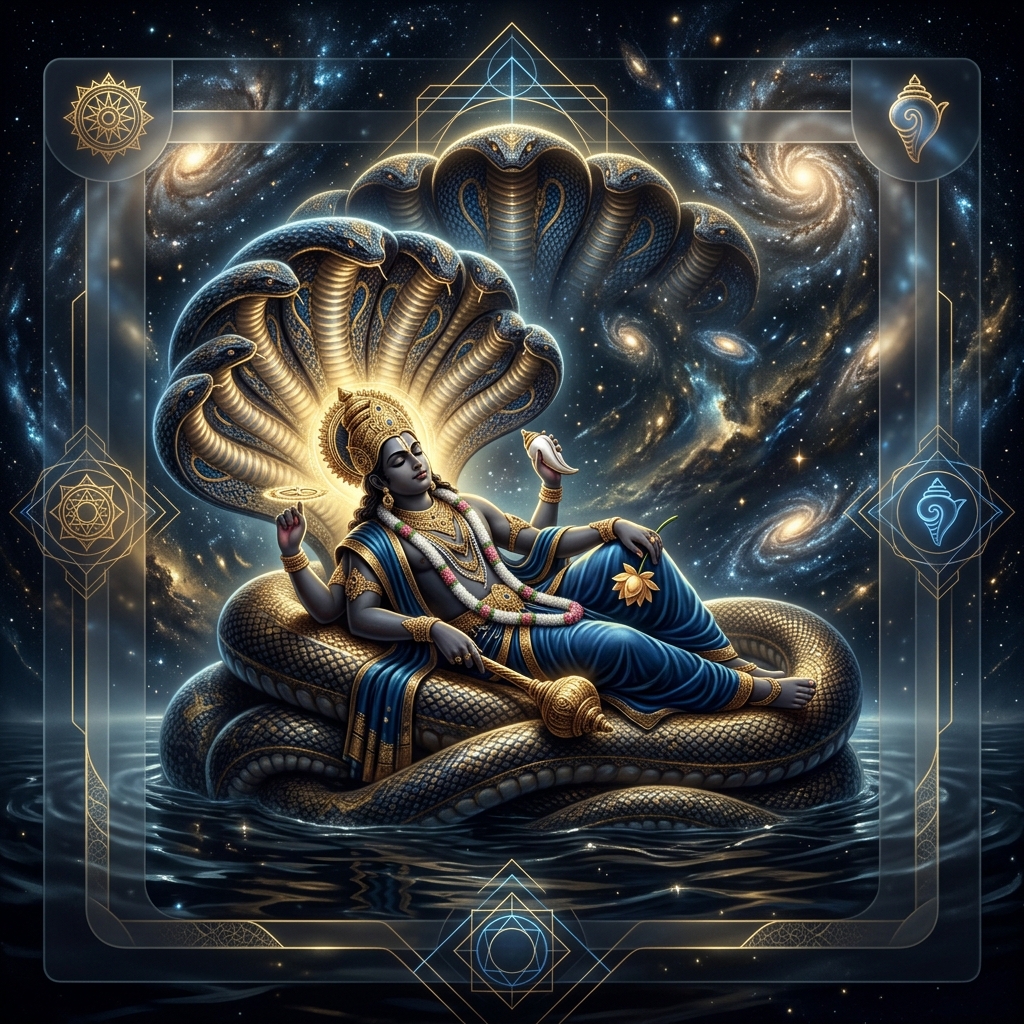
Maha-Vishnu - The Ultimate Reality

The Ultimate Reality परम सत्य और शाश्वत काल

Where billions of universes breathe in and out of Maha-Vishnu. जहां अरबों ब्रह्मांड महाविष्णु से उत्पन्न और विलीन होते हैं।

ANCHOR: Life of Brahma (1 Para) परम / पर

1 Brahma Lifetimes 1 ब्रह्मा लाइफटाइम्स = 311.04 Trillion Human Years = 311.04 ट्रिलियन मानव वर्ष
Calculated mathematically - All Vishnu-level units expressed as multiples of this anchor गणितीय गणना की गई - सभी विष्णु-स्तरीय इकाइयों को इस एंकर के गुणकों के रूप में व्यक्त किया गया है

── LEVEL 1: Kshirodakashayi Vishnu (Paramatma - in every heart & atom) ── ── स्तर 1: क्षीरोदकाशायी विष्णु (परमात्मा - हर हृदय और परमाणु में) ──

Beyond calculation गणना से परे

1 Breath of Kshirodakashayi Vishnu क्षीरोदकशायी विष्णु

1 Kalpa (Day of Brahma) 1 कल्प (ब्रह्मा का दिन) = 4.32 Billion Human Years = 4.32 अरब मानव वर्ष
1 Day of Brahma (Kalpa) - This form pervades every atom (Paramatma); 1 Kalpa = 1 breathing cycle ब्रह्मा का 1 दिन (कल्प) - यह रूप हर परमाणु (परमात्मा) में व्याप्त है; १ कल्प = १ श्वास चक्र

Sleep of Kshirodakashayi Vishnu (Yoga Nidra) योग निद्रा

1 Kalpa (Night of Brahma) 1 कल्प (ब्रह्मा की रात) = 4.32 Billion Human Years = 4.32 अरब मानव वर्ष
1 Night of Brahma (Pralaya) - During Yoga Nidra, universe is held in potential; Brahma rests ब्रह्मा की पहली रात्रि (प्रलय) - योग निद्रा के दौरान, ब्रह्मांड अव्यक्त रहता है; ब्रह्मा विश्राम करते हैं

Full Waking Cycle of Kshirodakashayi Vishnu क्षीरोदकशायी चक्र

2 Kalpas (Full Day + Night) 2 कल्प (पूर्ण दिन + रात) = 8.64 Billion Human Years = 8.64 अरब मानव वर्ष
1 Day of Brahma (Kalpa) - = 8.64 billion human years for one sleep-wake cycle ब्रह्मा का 1 दिन (कल्प) - = एक सोने-जागने के चक्र के लिए 8.64 अरब मानव वर्ष

── LEVEL 2: Garbhodakashayi Vishnu (per-universe form lying in Garbha Ocean) ── ── स्तर 2: गर्भोदकशायी विष्णु (प्रति-ब्रह्मांड रूप गर्भ महासागर में पड़ा हुआ) ──

Beyond calculation गणना से परे

1 Day of Garbhodakashayi Vishnu गर्भोदकशायी विष्णु

1 Brahma Lifetimes 1 ब्रह्मा लाइफटाइम्स = 311.04 Trillion Human Years = 311.04 ट्रिलियन मानव वर्ष
Calculated mathematically - When Garbhodakashayi opens eyes → Brahma appears; when he closes → Brahma dissolves गणितीय गणना की गई - जब गर्भोदकशायी आँखें खोलते हैं → ब्रह्मा प्रकट होते हैं; जब वे बंद करते हैं → ब्रह्मा विलीन हो जाते हैं

Life of Garbhodakashayi Vishnu (within 1 universe) गर्भोदकशायी आयु

100 Brahma Lifetimes 100 ब्रह्मा जीवनकाल = 31104 Trillion Human Years = 31104 खरब मानव वर्ष
100 Brahma Lifetimes - = ~31.1 quadrillion human years per universe instance 100 ब्रह्मा जीवनकाल - = ~31.1 क्वाड्रिलियन मानव वर्ष प्रति ब्रह्मांड उदाहरण

── LEVEL 3: Maha-Vishnu / Karanodakashayi Vishnu (Causal Ocean - source of all universes) ── ── स्तर 3: महा-विष्णु / कारणोदकशायी विष्णु (कारण महासागर - सभी ब्रह्मांडों का स्रोत) ──

Beyond calculation गणना से परे

1 Exhale of Maha-Vishnu (Sristi - creation) महाविष्णु श्वास (सृष्टि)

Innumerable (∞) अगणनीय (∞)
Countless universes pour out; each with its own Brahma living a full Para lifetime - Brahma Samhita 5.48: 'The millions of universes appear from the pores of Maha-Vishnu' (This vivid description found in the Brahma Samhita serves as one of humanity's earliest recorded conceptualizations of an endlessly expanding and contracting Multiverse.) अनगिनत ब्रह्मांड निकलते हैं; प्रत्येक अपने स्वयं के ब्रह्मा के साथ एक पूर्ण परा जीवन काल जी रहा है - ब्रह्म संहिता 5.48: 'लाखों ब्रह्मांड महा-विष्णु के छिद्रों से प्रकट होते हैं' (ब्रह्म संहिता में पाया गया यह विशद वर्णन मानवता की अंतहीन विस्तार और संकुचन वाली मल्टीवर्स की सबसे प्रारंभिक दर्ज अवधारणाओं में से एक के रूप में कार्य करता है।)

1 Inhale of Maha-Vishnu (Pralaya - dissolution) महाविष्णु श्वास (प्रलय)

Innumerable (∞) अगणनीय (∞)
All universes withdrawn back; Garbhodakashayi Vishnus dissolved - Maha-Pralaya - entire material creation returns to unmanifest state सभी ब्रह्मांड वापस ले लिए गए; गर्भोदकशायी विष्णु विलीन हो गए - महा-प्रलय - संपूर्ण भौतिक सृष्टि अव्यक्त अवस्था में लौट आती है

1 Day of Maha-Vishnu (all universes' full lifespan) महाविष्णु दिवस

Beyond calculation गणना से परे = Beyond calculation Human Years = गणना से परे मानव वर्ष
Each breath-cycle = birth + death of all universes simultaneously - Beyond linear time; described as 'beyond calculation' in all Puranas प्रत्येक श्वास-चक्र = सभी ब्रह्मांडों का एक साथ जन्म + मृत्यु - रैखिक समय से परे; सभी पुराणों में 'गणना से परे' वर्णित

Parabrahman / Turiya (beyond all time) परब्रह्म / तुरीय

Nitya (eternal) नित्य (शाश्वत)
The Absolute - timeless, beyond all kala (time); Maha-Vishnu is a manifestation within this - Not a time unit - the eternal backdrop in which all time arises; Brahman is beyond Kala परम सत्य - कालातीत, सभी समय (काल) से परे; महाविष्णु इसमें एक अभिव्यक्ति हैं - समय की इकाई नहीं - शाश्वत पृष्ठभूमि जिसमें सभी समय उत्पन्न होते हैं; ब्रह्म काल से परे है

Ananta Shesha (Eternal Serpent - time's substratum) अनन्त शेष

Eternal (Ananta) शाश्वत (अनंत) = Eternal Human Years = शाश्वत मानव वर्ष
Shesha = 'remainder' - what remains after all creation dissolves; Vishnu rests on him - Shesha sings Vishnu's glories; represents eternal time (Ananta = infinite); also = Sankarshana शेष = 'शेष' - सारी सृष्टि के नष्ट हो जाने के बाद जो बचता है; विष्णु उस पर विश्राम करते हैं - शेष विष्णु की महिमा गाते हैं; शाश्वत समय का प्रतिनिधित्व करता है (अनंत = अनंत); भी = संकर्षण

Kala (Time personified as a form of Vishnu) काल (देवता रूप)

Omnipresent सर्वव्यापी
Time itself is a divine force; weapon/tool of Vishnu; brings death and change - BG 11.32: Kaalah asmi - 'I am Time'; Kala is both the measurer and the ender समय स्वयं एक दिव्य शक्ति है; विष्णु का हथियार/उपकरण; मृत्यु और परिवर्तन लाता है - बीजी 11.32: कालः अस्मि - 'मैं समय हूं'; काल मापने वाला और समाप्त करने वाला दोनों है

Vedic Time Converter वैदिक समय परिवर्तक

Convert between any Vedic time unit. Select a source unit, enter a value, and see equivalents across all scales. किसी भी वैदिक समय इकाई के बीच रूपांतरण करें। एक स्रोत इकाई चुनें, मान दर्ज करें, और सभी पैमानों में समकक्ष देखें।

Primary Sources & References मूल स्रोत और संदर्भ

SBP Srimad Bhagavata Purana
Book 3, Chapter 11 (Skanda 3, Adhyaya 11): Time units from Paramanu to Brahma's life. Also Book 12, Ch 2 for Kali Yuga and present position.
VP Vishnu Purana
Book 1, Chapter 3 (Amsha 1, Adhyaya 3): Complete time hierarchy including Yugas, Manvantara, Kalpa, Brahma's lifespan.
Manu Manusmriti
Chapter 1, Verses 64–86: Cosmic time cycles, Yuga durations, Brahma's day, Manvantara details.
SS Surya Siddhanta
Chapter 1, Verses 11–20: Astronomical time units, sidereal year, tropical year, planetary cycles, Prana, Vinadi.
Artha Arthashastra of Kautilya
Book 2, Chapter 20: Practical time measurement units used in statecraft - Nimesa, Kashtha, Kalas, Muhurta, Yama.
LP Linga Purana
Chapter 4: Brahma's years, Pararddha, Maha Kalpa; confirms Vishnu Purana figures.
YV Yoga Vasistha (Maha Ramayana)
Various chapters: Philosophical elaboration on relativistic nature of time; different time scales for different realms.
JP Jyotisha Panchanga Tradition
Tithi, Nakshatra, Yoga, Karana - the five limbs (Pancha-anga) of the Vedic calendar system used for auspicious timing.
BS Brahma Samhita
Chapter 5, verses 48–53: Maha-Vishnu and the generation of universes; pore-universe concept; Garbhodakashayi Vishnu.
DBP Devi Bhagavata Purana
Book 3, Chapters 1–3: Maha-Vishnu, Garbhodakashayi Vishnu, creation of universes; Brahma lifespan context.
BG Bhagavad Gita
Chapter 8, verses 17–19: Day and Night of Brahma; Chapter 11, verse 32: Kala (Time) as Vishnu's form.
Back to Hindu Wisdom Hub हिंदू ज्ञान केंद्र पर वापस लौटें